Logistics copilot
Five specialist agents for supply-chain insight, order consolidation, pallet utilisation and drop-point centralisation.
InsightMesh · Intelligent Enterprise Query
Plain-English questions over your operational data, your databases and your documents — with specialist agents that turn supply-chain data into optimization recommendations.
Proven results
The InsightMesh family
Each assistant answers in plain English. Pick the one that matches where your answers live.
Five specialist agents for supply-chain insight, order consolidation, pallet utilisation and drop-point centralisation.
Plain-English questions turned into SQL over your dataset, with tables, charts and a Word report.
Questions over PDF, Word, Excel, PowerPoint, audio, images and web pages, with page-level citations.
One conversational interface across structured and unstructured sources.
Product walkthrough
A simplified run-through of the InsightMesh workflow, step by step.
InsightMeshDelivery consolidation
Illustrative demo
01Parse intent
The question is read as an optimization request: consolidate next month’s deliveries to the top 5 customers to cut transport cost.
02Route to specialist
A supervisor agent hands the question to the specialist for this lever: the Dynamic Order Consolidation agent.
03Optimize
Deterministic algorithms test shipment windows, re-load the trucks and cost each option with the rate card, using shipment history and the SKU master.
04Explain
The AI explains the result with a before-and-after table and chart, then suggests follow-up questions.
How it works
Type a business question in plain English, in the web app or in Microsoft Teams.
Reads the intent, rewrites follow-ups as standalone questions and keeps the conversation on topic.
Hands the question to the right specialist — insights, consolidation, pallets or drop points.
Deterministic algorithms do the maths — truck loading, rate-card costing, shipment windows.
Returns the answer with a chart and a before-and-after table of cost, pallets and delivery days.
Suggests the next questions worth asking, and remembers the context when you ask them.
Capabilities
Ask your operational data, databases and documents questions in plain English — with specialist agents that turn supply-chain data into optimization recommendations.
Ask business questions in plain English and get an answer, a chart and suggested next questions.
Query structured data through plain English converted to SQL, and chat with documents — PDF, Word, Excel, PowerPoint, audio, images and web pages — with page-level citations.
Insights, trends and optimization recommendations, with before-and-after comparisons of cost, pallets and delivery days.
Specialist agents for order consolidation, pallet utilisation and drop-point centralisation, built on deterministic truck-loading and rate-card costing.
Follow-up questions keep their context, and a guardrail keeps each assistant on its topic.
Use InsightMesh in a web app with interactive charts, or inside Microsoft Teams.
Use cases
Customers get several part-loads a week, and nobody has time to model a better delivery pattern.
Shipment windows and delivery-day schedules are tested against the rate card, with projected savings side by side.
SKUs ship on half-empty pallets, and storage and handling costs add up.
Layer patterns, pallet heights and double stacking are tested per SKU, showing the effect on pallet count and cost.
Policies, contracts and reports hold the answer, but nobody can find the right page.
Answers come back with the page they came from, highlighted — with translation and read-aloud when you need it.
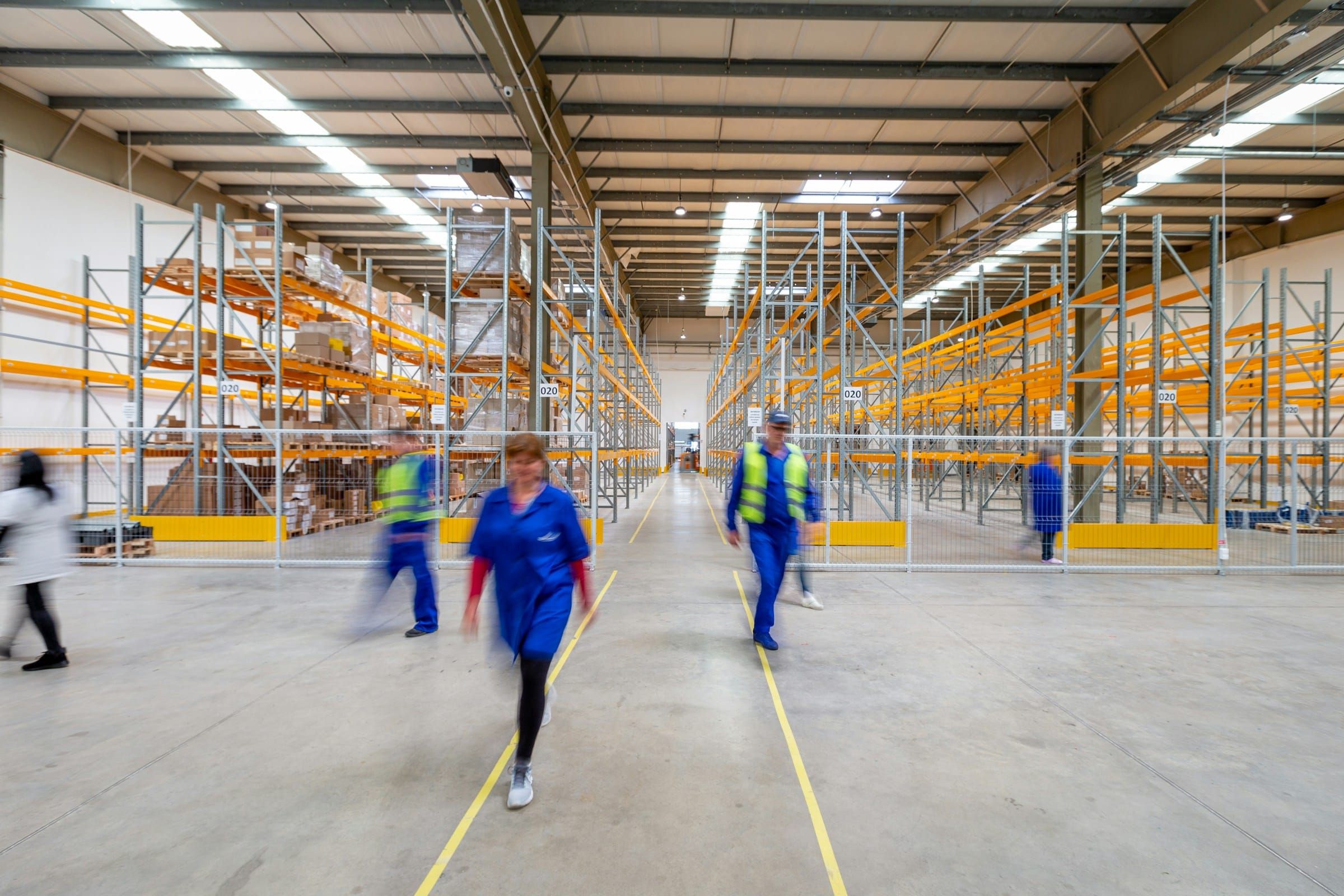
Bring one question your BI backlog can't answer quickly, or one cost you want to bring down. We'll show you the agent that works it out.
AI agents
The supervisor reads each question and routes it; the specialist works it out with deterministic algorithms and explains the result.
Routes every question
Understands the question, keeps the conversation on topic and suggests the next questions to ask.
Analyzes and charts
Answers questions about shipments and SKUs with analysis and a chart, including "why did this change?".
Tests shipment windows
Finds the shipment window that saves the most, re-loading trucks against the rate card.
Tests delivery days
Tests weekly delivery-day schedules and picks the cheapest one.
Optimizes pallets per SKU
Tests layer patterns, pallet heights and double stacking to cut pallet count and cost.
Ranks delivery points
Ranks drop points by rate, volume or distance and compares cost and estimated CO2 before and after.
Answers you can trust
Savings and comparisons come from algorithms such as truck loading and rate-card costing; the AI plans and explains them.
InsightMesh runs on a self-hosted model by default, with cloud models optional.
Each assistant stays on its topic and declines questions outside it.
Answers from documents show the page and the passage they came from.
Integrations
On the roadmap
Part of the InsightMesh architecture and in development.
Connect structured and unstructured data sources through a single conversational interface.
Understand relationships across customers, products, processes and business entities.
Keep every user to the data they are authorized to see, with row- and column-level security.
Live connectors to ERP, CRM, data warehouses and collaboration tools, and dashboards that refresh themselves.
Get started with InsightMesh
Book a demo and bring one question or one cost to bring down. We'll show you InsightMesh answering it, and the specialist agent behind the answer.